
Why Wind Farms Are Flying Blind at Night: The Nocturnal Bird Migration Problem
Wind energy is one of the most powerful tools we have in the transition to clean power. But there is a hidden operational cost that rarely makes the headlines: every year, wind farms across Europe shut down their turbines for hours, not because of technical failures, but because of birds.
This is called wind farm curtailment. And a surprisingly large share of it comes down to one thing: nocturnal bird migration.
The problem with birds and wind turbines
Birds and wind turbines have an uneasy relationship. During migration seasons, billions of birds cross Europe, many of them at night. When they pass through wind farm areas, turbines can pose a serious collision risk, triggering costly shutdowns across entire sites.
To manage this collision risk, wind farms operate curtailment algorithms: pre-programmed schedules that slow or stop turbines during high-risk periods.
The challenge is that these curtailment algorithms are built on historical migration data. They assume that birds migrate the same way and at the same times every year. But migration timing shifts. Climate change is pushing species to move earlier or later in the season. The intensity of migration flows changes. And the specific mix of species passing through a given wind farm site evolves over time.
An algorithm built on data from five years ago may be curtailing turbines during periods of low actual risk, while missing the windows where collision risk has genuinely increased.
Nocturnal bird migration: the least understood piece of the puzzle
Daytime bird activity at wind farms is relatively well studied. Nocturnal migration is a different story entirely.
The flight behaviour, species composition, altitude, and timing of night migration remains one of the least researched areas in ornithology. And yet it directly determines how wind farms operate. Most wind farm curtailment schedules are heavily shaped by assumptions about nocturnal bird movement that simply have not been validated with consistent, long-term field data.
This creates a double problem for wind energy operators:
- Turbines are stopped unnecessarily during low-risk periods, costing operators significant revenue
- Actual high-risk migration events may not be captured accurately, undermining the ecological purpose of curtailment in the first place
Case study: Hula Earth x Engie Green
This is the gap that Hula Earth and Engie Green are working to close together.
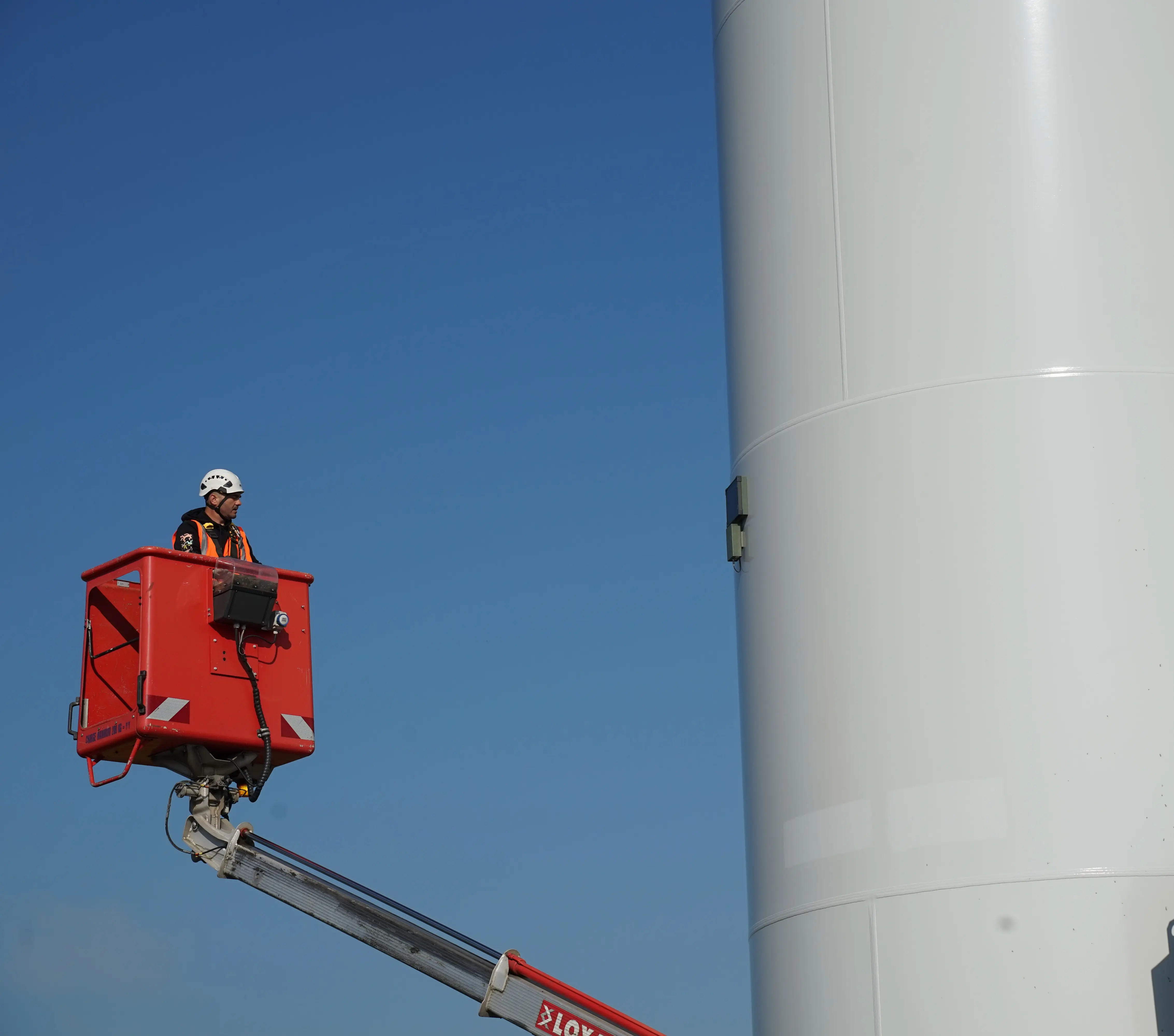
Across 6 wind farms and 73 turbines in France, Hula's BioT sensors are deployed to monitor bird activity around the clock, automatically detecting, identifying, and logging species presence day and night. No manual surveys or proxies. Just continuous, real-world biodiversity data from the field.
The goal is to build an accurate, up-to-date picture of nocturnal migration patterns specific to each wind farm site:
- Which species are present, and when
- How migration intensity changes across the season
- How these patterns evolve year on year as climate conditions shift
Over time, this field data feeds directly into smarter wind farm curtailment decisions. Instead of shutting down based on historical averages, turbines can respond to what is actually happening in the air above them.
From compliance cost to competitive advantage
Wind farm curtailment is expensive. Every hour a turbine stands still unnecessarily is revenue that disappears. For large wind energy operators like Engie Green, optimising curtailment even marginally translates into significant savings across a portfolio of sites.
At the same time, biodiversity monitoring at wind farms is increasingly a regulatory requirement across Europe. Done right, automated real-time monitoring turns a compliance cost into an operational advantage: better data, lower downtime, and credible evidence for regulators and stakeholders alike.