Real Estate
Turning properties into biodiversity hubs
Urban development degrades habitats, but industrial sites and cities don't have to be biodiversity deserts. They can become ecosystems where business and nature coexist.



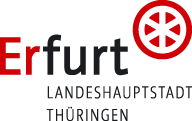


Hula for urban spaces and industrial sites
Biodiversity as a driver for thriving urban communities
Nature-friendly sites, less reporting effort
More than half of large companies have to report on biodiversity under the CSRD, including for their sites. Automated monitoring shows what lives on your land and turns company sites into proven, functioning ecosystems. The data feeds straight into your CSRD (ESRS E4) reporting.
Talk to our experts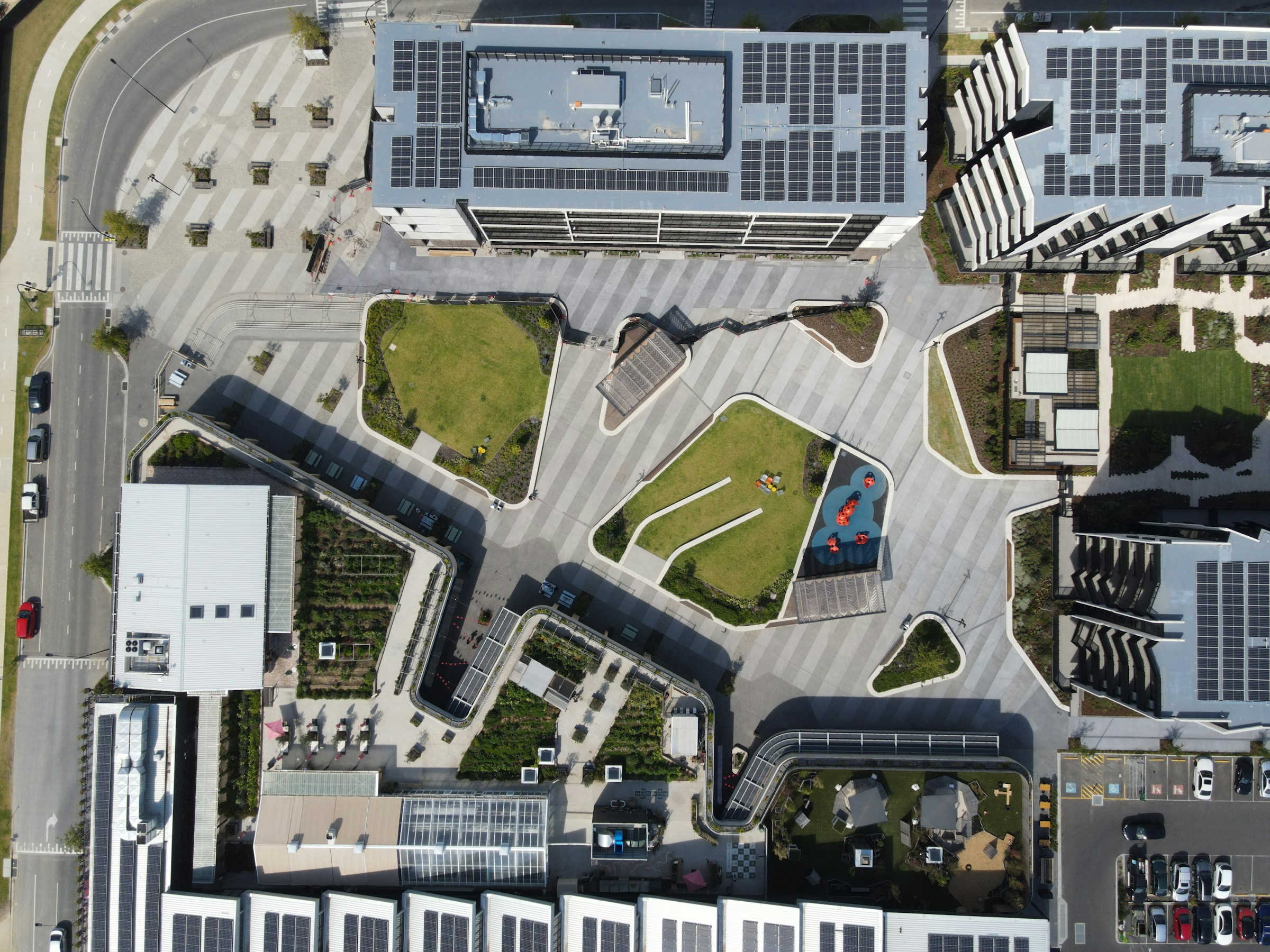
“For us, one thing is clear: sustainability must be verifiable. Hula Earth delivers exactly that - a solution that makes biodiversity and microclimate measurable and therefore manageable.”
Real Estate
How Hula supports urban spaces and industrial sites
Intelligence for the built environment
Precise data on species, ecosystem health and habitat connectivity turn urban and industrial sites into proven, functioning ecosystems.
Scalable monitoring, zero friction
Fully automated, without compromising on-site privacy. The data supports your reporting under CSRD (ESRS E4), GRI and TNFD.
Turn impact into investment
Proven biodiversity helps you win sustainable funding and local support, with investor reports for the EU Taxonomy and SFDR.
City of Munich: Bird monitoring in Magdalenenpark
Inside the City of Munich’s monitoring: BioT sensors record day and night which birds live in Magdalenenpark.
- 49 bird species at the Waiblingen site
- 6,000+ detections
- €42,500 staff costs saved per year and site
“These insights allow us to compare company sites worldwide and set concrete biodiversity targets that we can work towards transparently.”
- 13 sensors across the city
- 5 sites, from Authariplatz to Westfriedhof
- 24/7 recording instead of one-off site visits
“Only when we know which animals live where and how many there are can we take action to protect endangered species.”
- Europe’s 1st cradle-to-cradle supermarket proving its biodiversity
- ~€49,000 staff costs saved per year and site
- Microclimate cooling and insulation effect of greenery measured on site
“For us, one thing is clear: sustainability must be verifiable. Hula Earth delivers exactly that - a solution that makes biodiversity and microclimate measurable and therefore manageable.”
Other customer segments
From energy sites and farmland to conservation projects and real estate: Hula Earth makes biodiversity measurable.
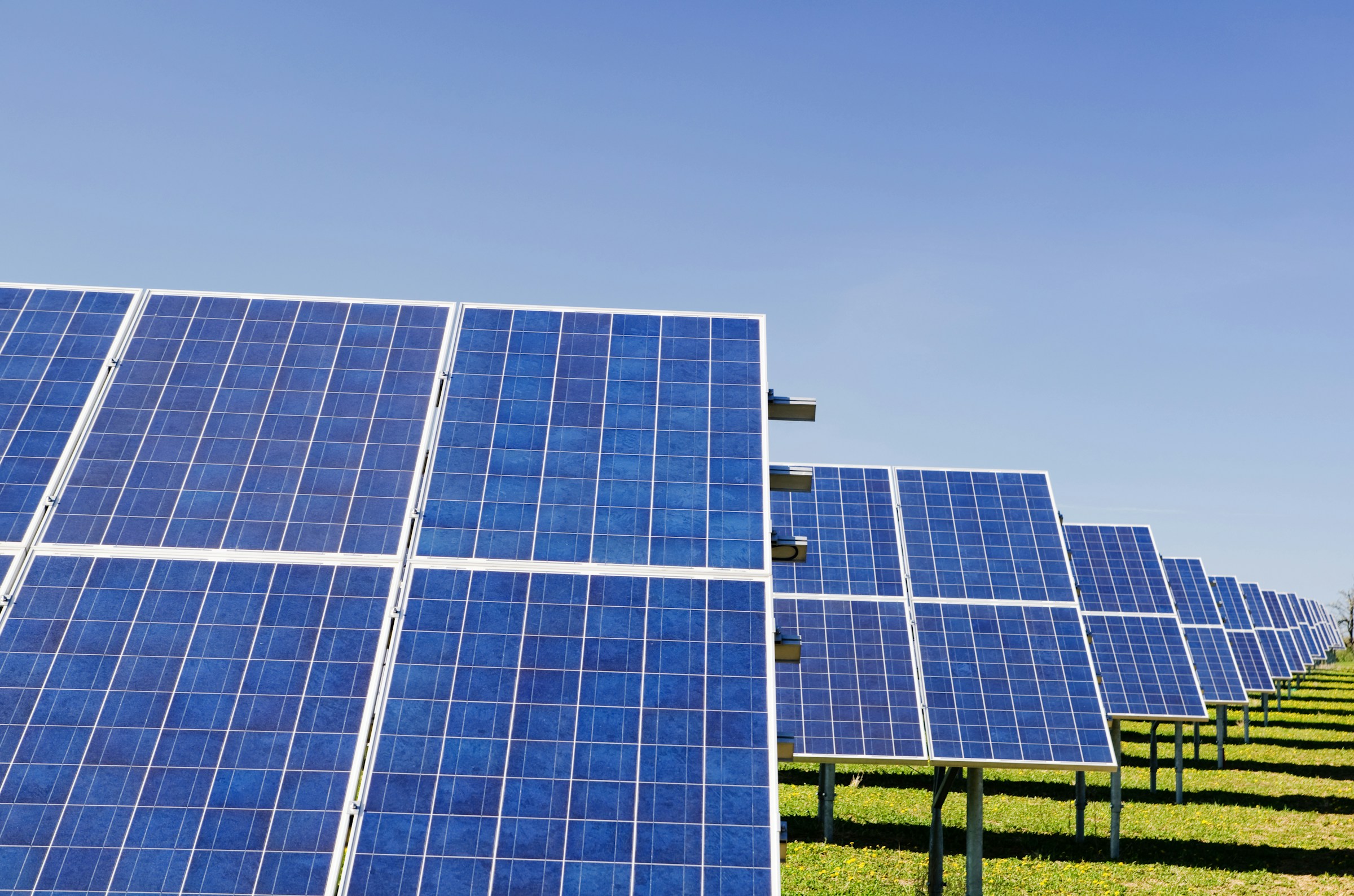
Energy & Utilities
Faster permits with solid species evidence Learn more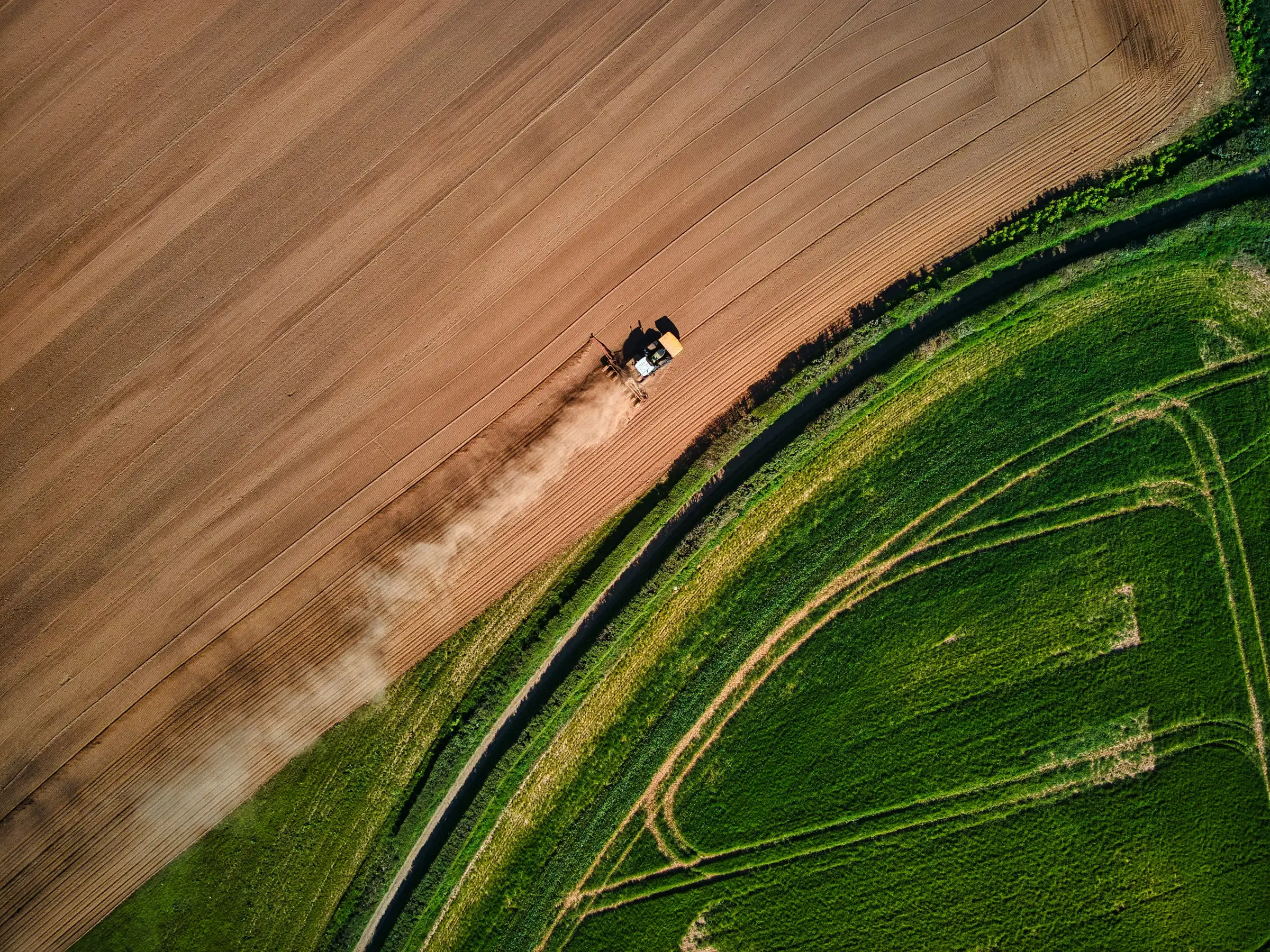
Food & Agriculture
Prove biodiversity in your supply chain without setting land aside Learn more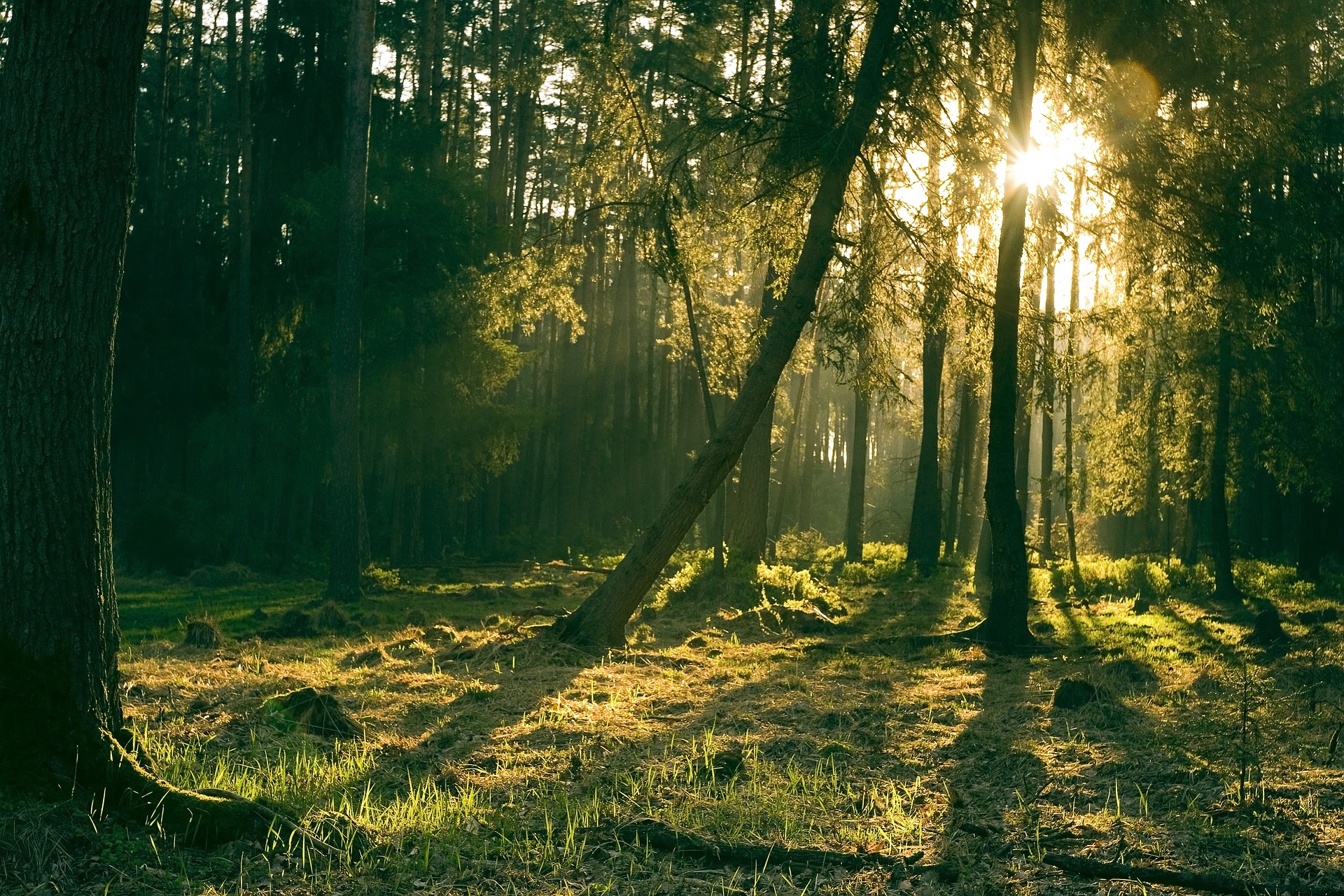
Nature
Prove your impact and secure the next round of funding Learn more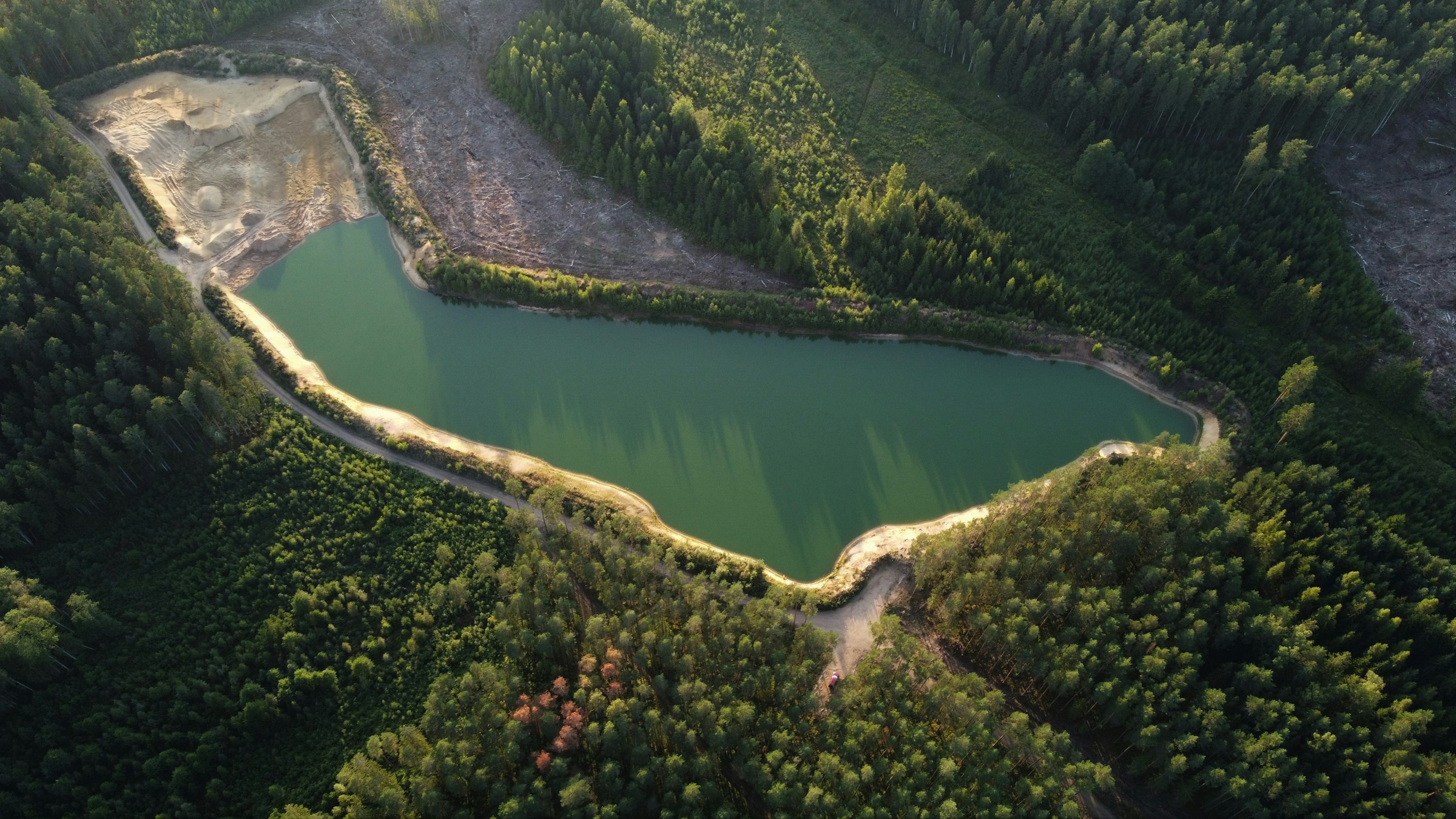
Mining & Quarrying
Prove reclamation and extensions with species data Learn more