Mining & Quarrying
Prove mine reclamation with data
From extraction to reclamation: sensors and satellite data show which species use your sites, day and night. Prove offsets, species protection and no net loss to authorities and in your CSRD report.






Hula for mining and quarrying
Biodiversity across the whole life of a site
Quarries as habitat, proven, not claimed
Any extension needs a species protection assessment, and without solid data the permit drags on. Quarries and gravel pits give rare species such as eagle owls, kingfishers and peregrine falcons a home. Hula records birds and environmental conditions around the clock, compares extraction, restored and offset areas, and delivers the same indicators for every site.
Talk to our experts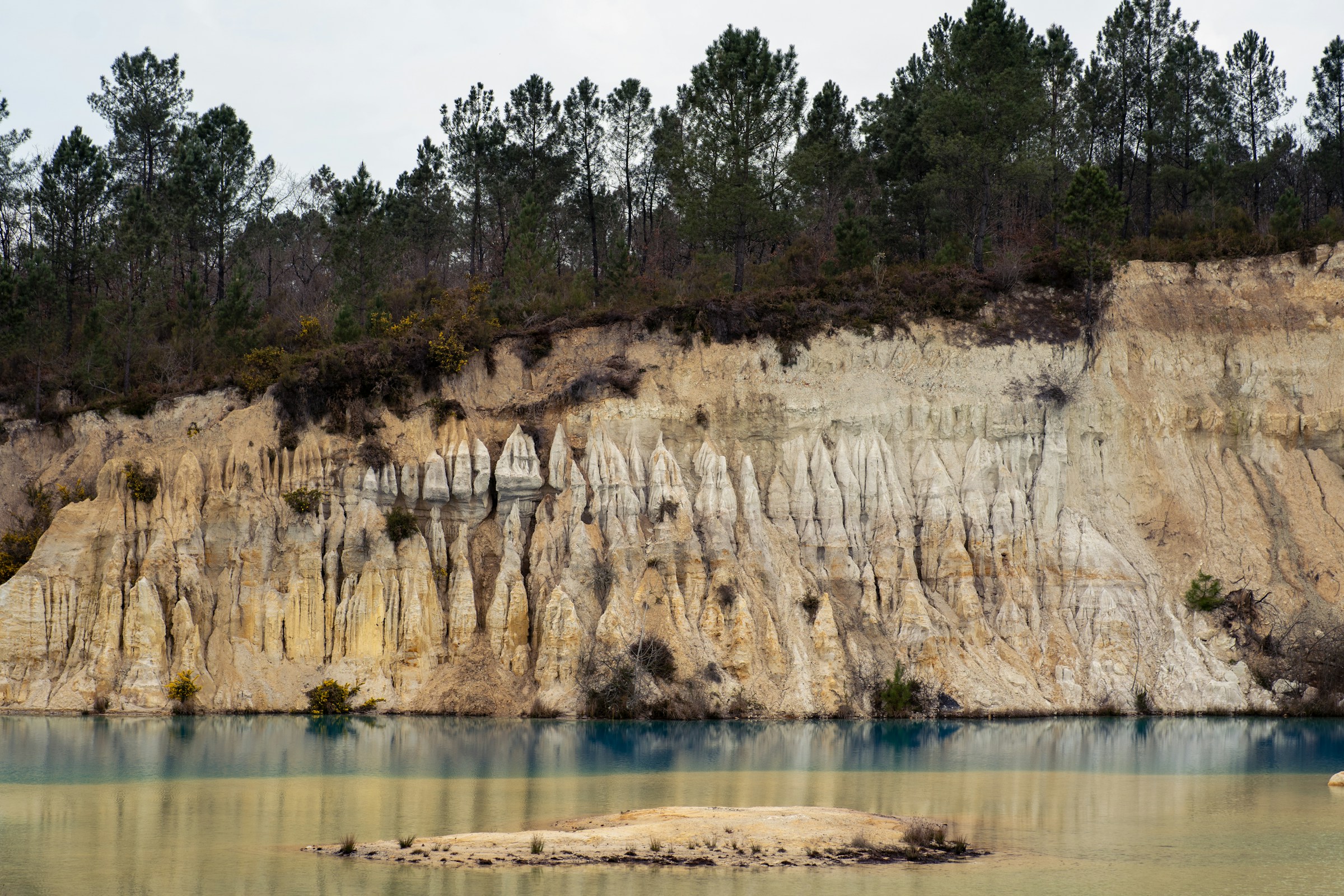
“It's really important for us to know exactly which species live on a site before extraction, in the active mine and in the reclaimed areas.”
Mining & Quarrying
How Hula supports mining and quarrying companies
Make reclamation measurable
Show how restored areas develop: species records, vegetation and habitat structure per area, comparable over years instead of a one-off survey snapshot.
Prove offsets and species protection
Continuous data for compensation and species protection measures. You see early whether a measure works and have the evidence ready for authorities and extraction permits.
One standard for every site
The same bioacoustic and satellite indicators at every quarry and pit make sites comparable and deliver primary data for ESRS E4, TNFD and no-net-loss targets.
Quarzwerke: biodiversity monitoring at the Frechen quartz sand mine
Britta Franzheim, biologist at Quarzwerke, on the monitoring in Frechen (2 minutes, in German with English subtitles)
Webinar: Biodiversity monitoring in open-pit mining
Recorded on 27 October 2026, 28 minutes: the state of biodiversity data in mining, BioT sensors and a live platform demo
Other customer segments
From energy sites and farmland to conservation projects and real estate: Hula Earth makes biodiversity measurable.
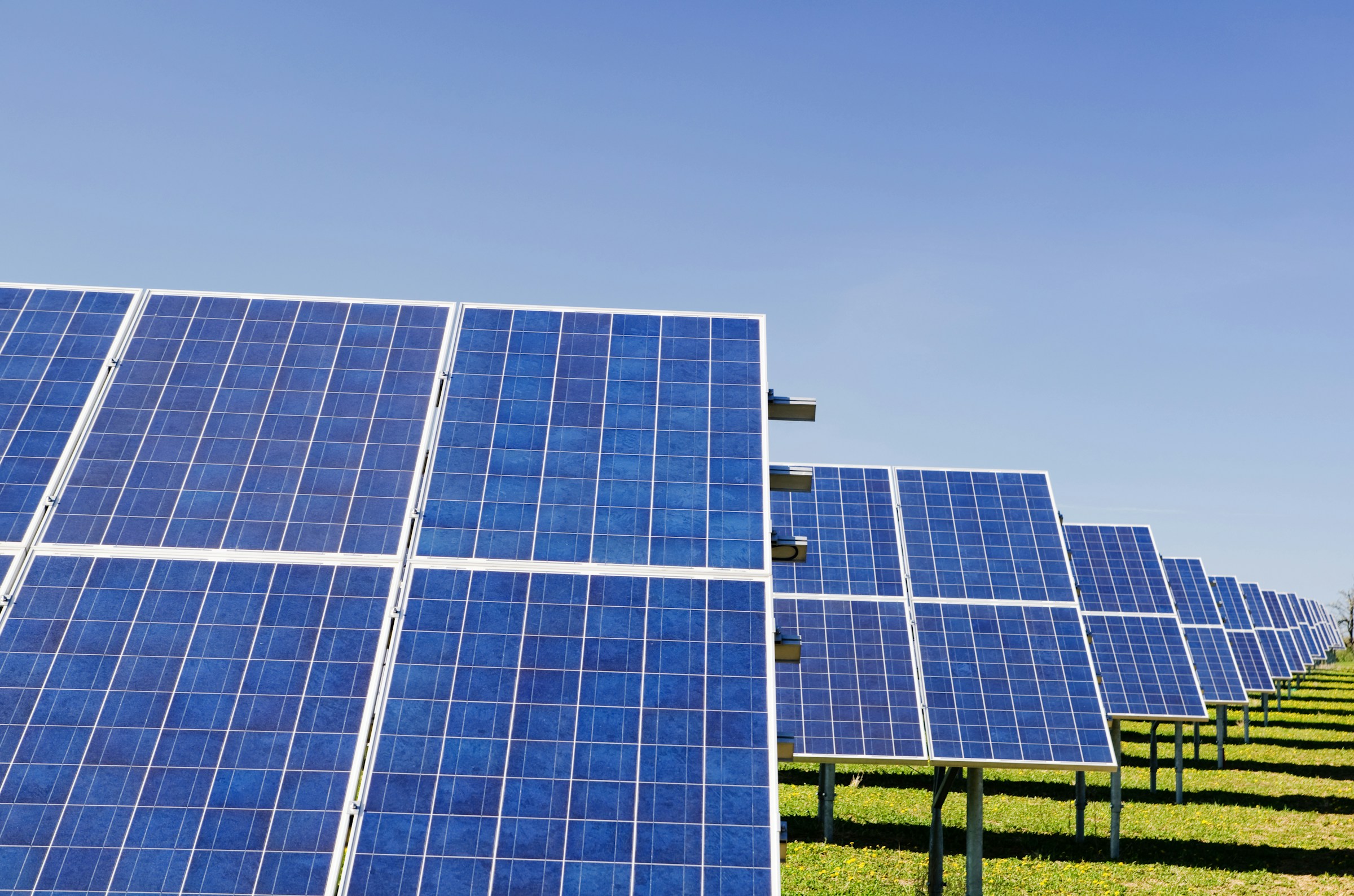
Energy & Utilities
Faster permits with solid species evidence Learn more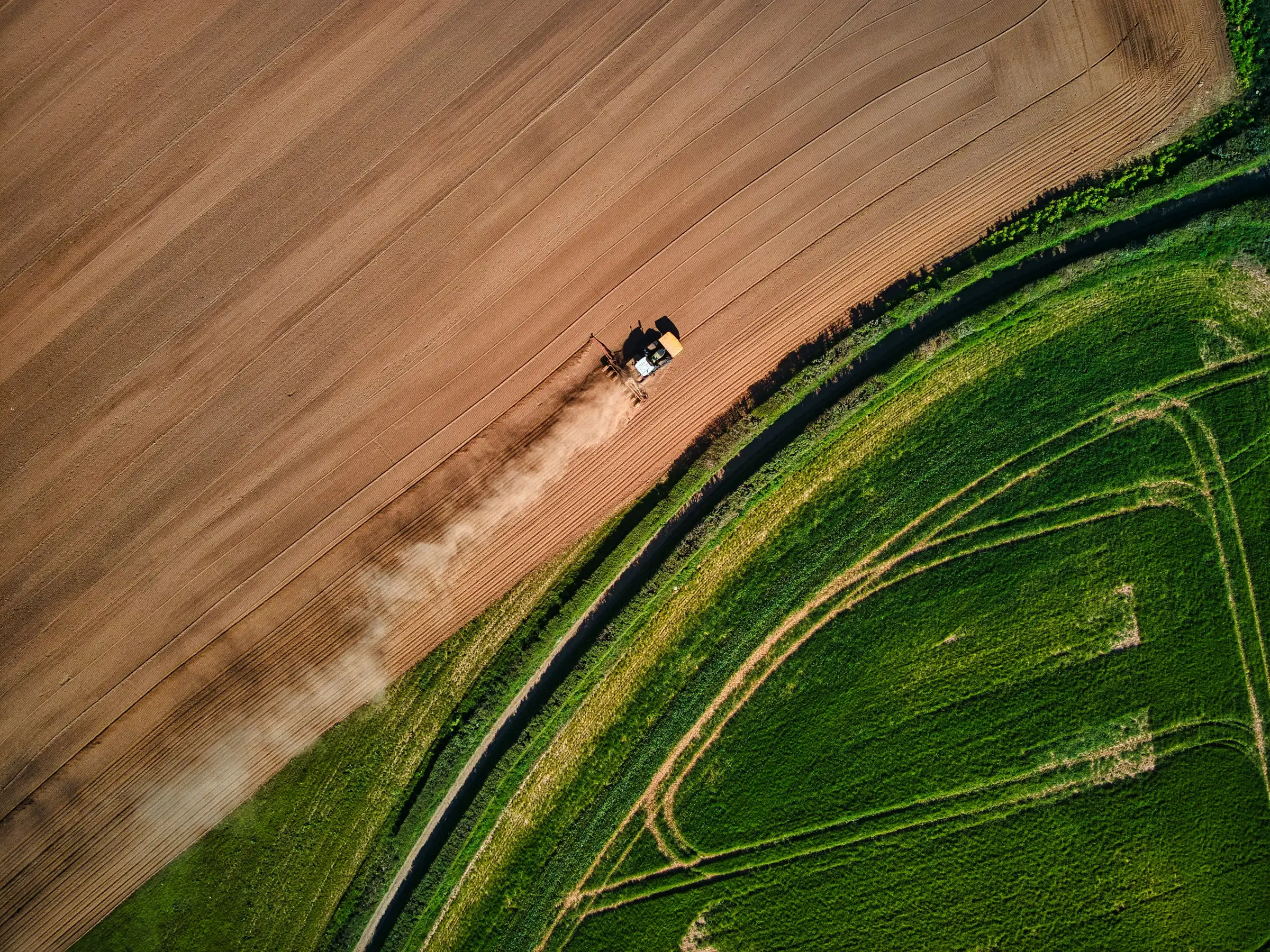
Food & Agriculture
Prove biodiversity in your supply chain without setting land aside Learn more
Nature
Prove your impact and secure the next round of funding Learn more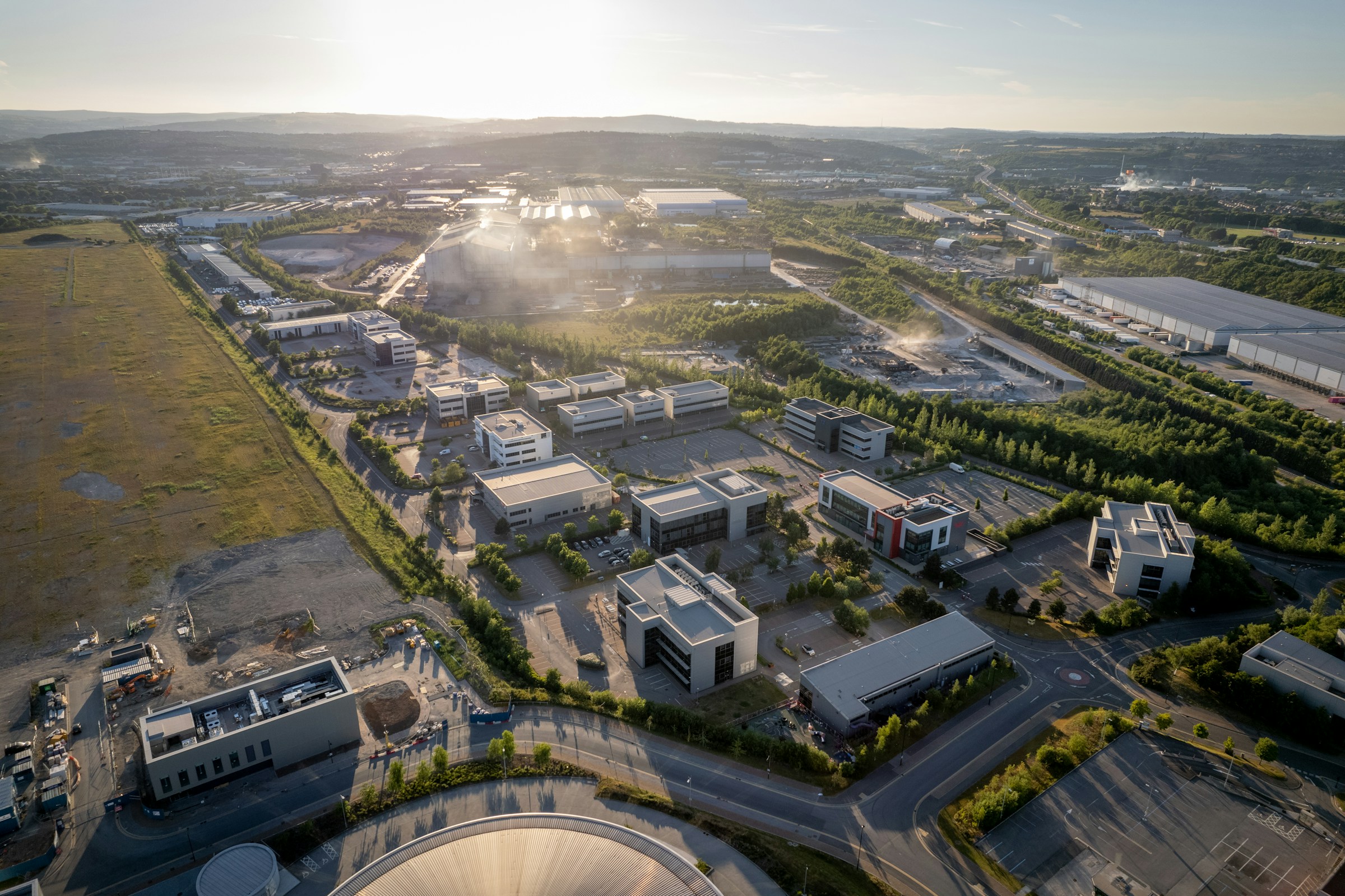
Real Estate
Prove nature-positive sites and report under the CSRD Learn more