Industries: Urban
Turning urban spaces into biodiversity hubs
Urban development degrades habitats — but industrial sites and cities don't have to be biodiversity deserts. They can become ecosystems where business and nature coexist.

Industries
Hula for urban spaces and industrial sites
Biodiversity as a driver for thriving urban communities
Transforming urban footprints into ecological assets
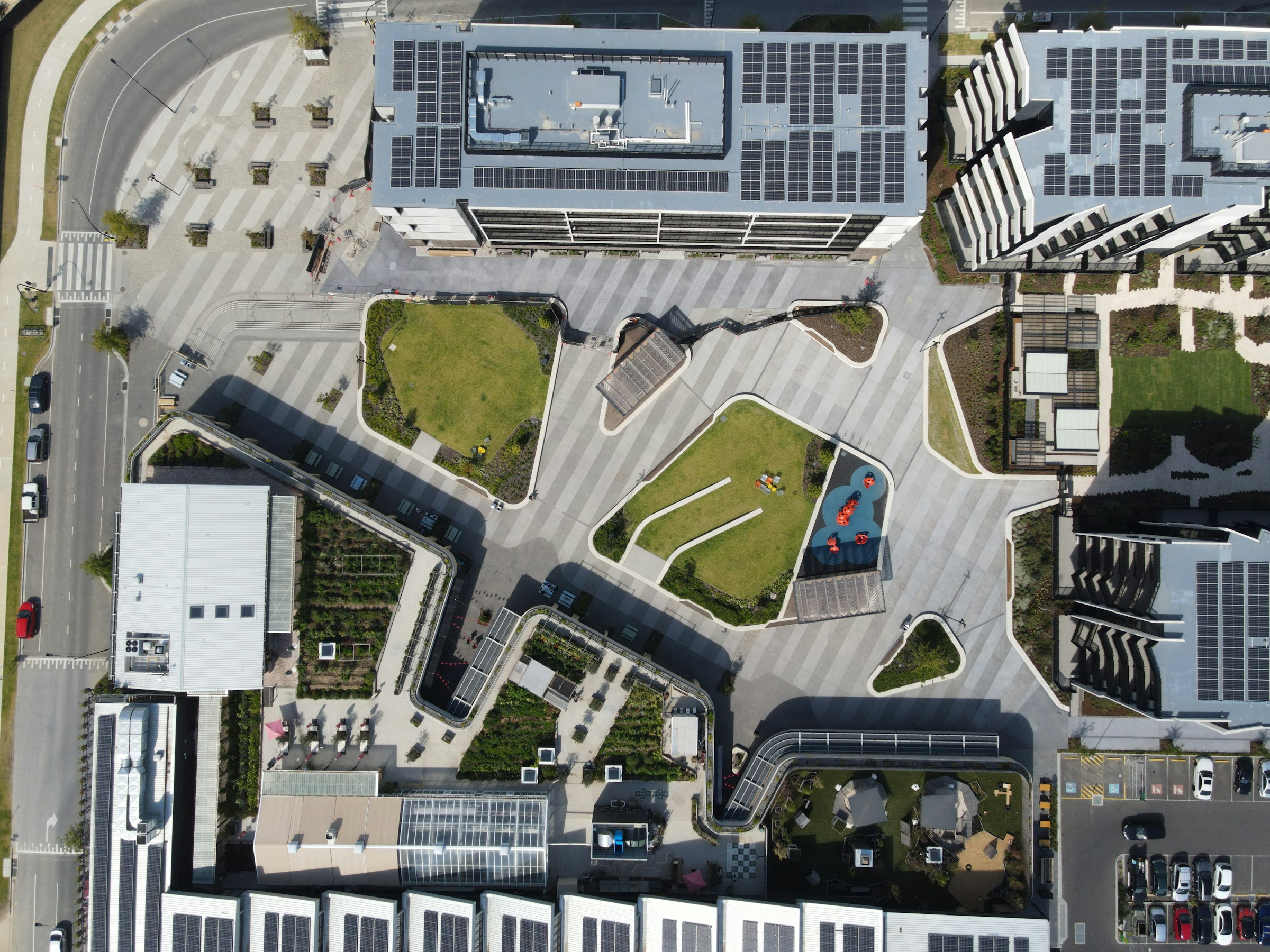
Our technology enables urban and industrial environments where nature and people coexist. Automated monitoring and smart planning turn urban sites into functioning ecosystems - with CSRD-compliant reporting (ESRS E4) that proves the success of your actions through validated data.
Talk to our expertsplanning
Industries
How Hula supports urban spaces and industrial sites
Intelligence for the built environment
Unlock a deeper understanding of your land. We go beyond simple observation, delivering precise metrics on species populations, ecosystem health, and habitat connectivity. We help you transform urban and industrial sites into functioning, data-proven ecosystems.
Scalable monitoring, zero friction
Modernize your operations with objective, real-time insights. Fully automated without compromising on-site privacy. We simplify your journey toward CSRD (ESRS-E4), GRI, and TNFD standards, replacing manual effort with a high-integrity digital twin of your ecological progress.
Turn impact into investment
By validating your biodiversity efforts evidence-based data, we help you attract sustainable funding and secure community support. Generate EU Taxonomy and SFDR-compliant investor reports seamlessly, proving that your sites are leaders in the nature-positive transition.

STIHL x Hula Earth
Evidence-based biodiversity management at industrial sites
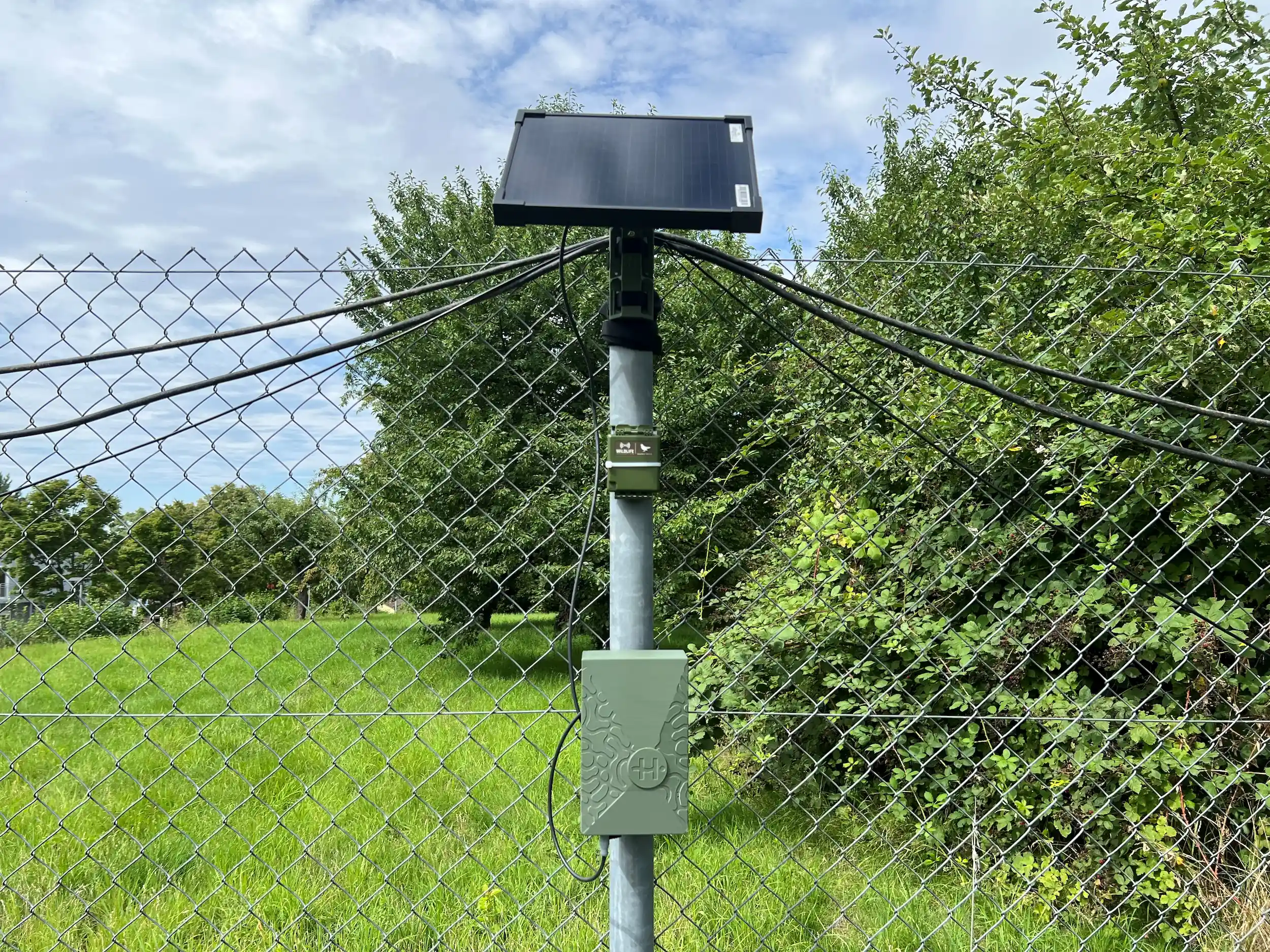
Automated biodiversity monitoring across a 20-hectare industrial production site using BioT sensors to evaluate the effectiveness of existing environmental measures.
Our impact:
- Measurable and verifiable impact across management zones
- Data-driven optimisation of environmental measures
- Stronger ESG and financing foundation through EU Taxonomy

City of Munich x Hula Earth
Munich urban jungle
Primary environmental data collection across the city of Munich with Hula BioTs and satellite data, complemented by citizen-science.
Our impact:
- Baselining the state of nature
- Unlocking data-driven decisions to support urban nature hotspots
- Cost-effective biodiversity monitoring for tight budgets


Enerparc x Hula Earth
Automated bird mapping in solar parks
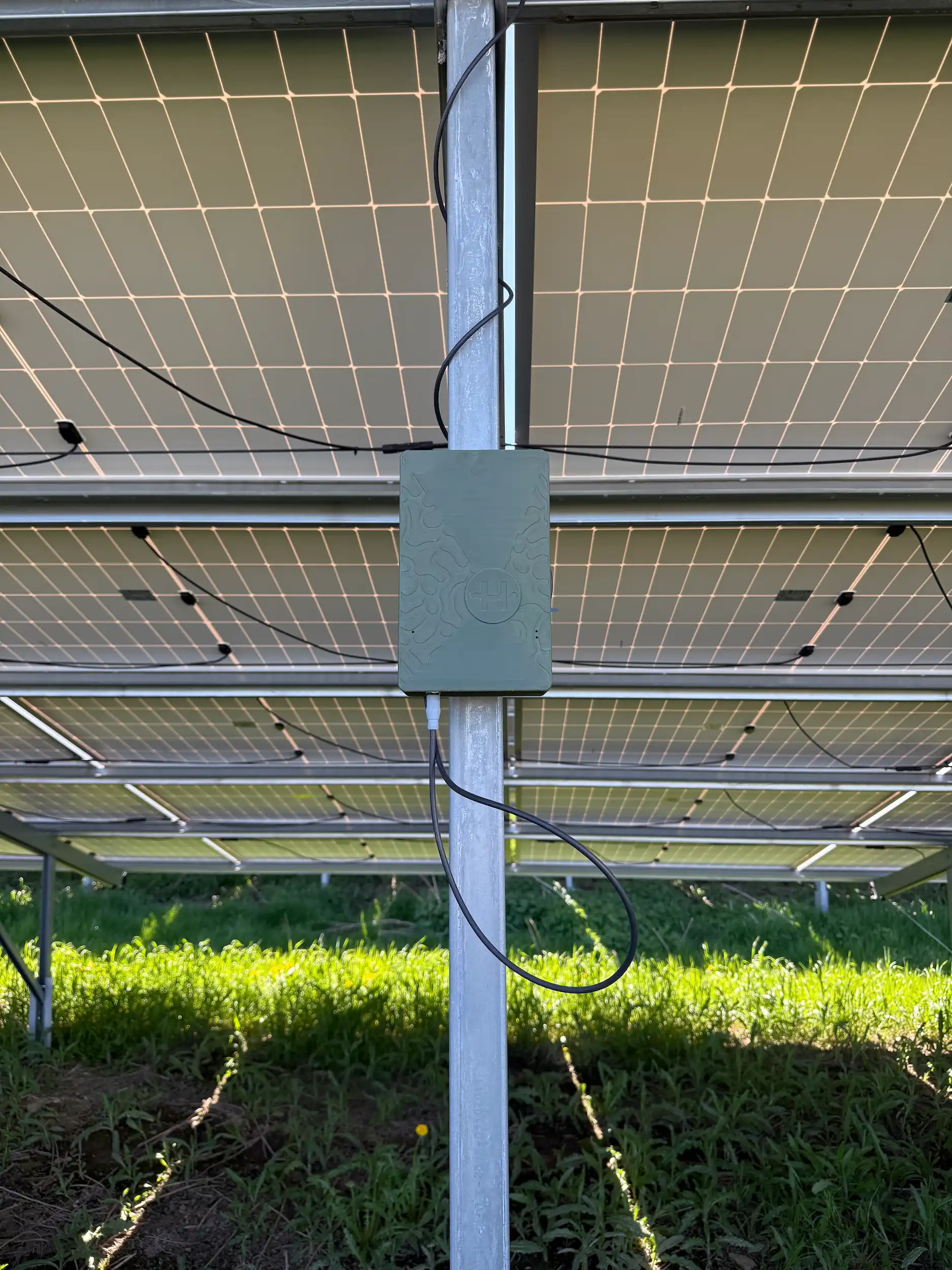
Onsite species detection with BioT sensors across 70 ha, a “state of nature” dashboard with reports, and a one-stop biodiversity solution.
Our impact:
- Increased asset value through biodiversity
- Prove of returned skylarks to meet legal requirements
- Nature-inclusive management through real-time data

Metavolt x Hula Earth
Improving Agri-PV planning through extended bird monitoring
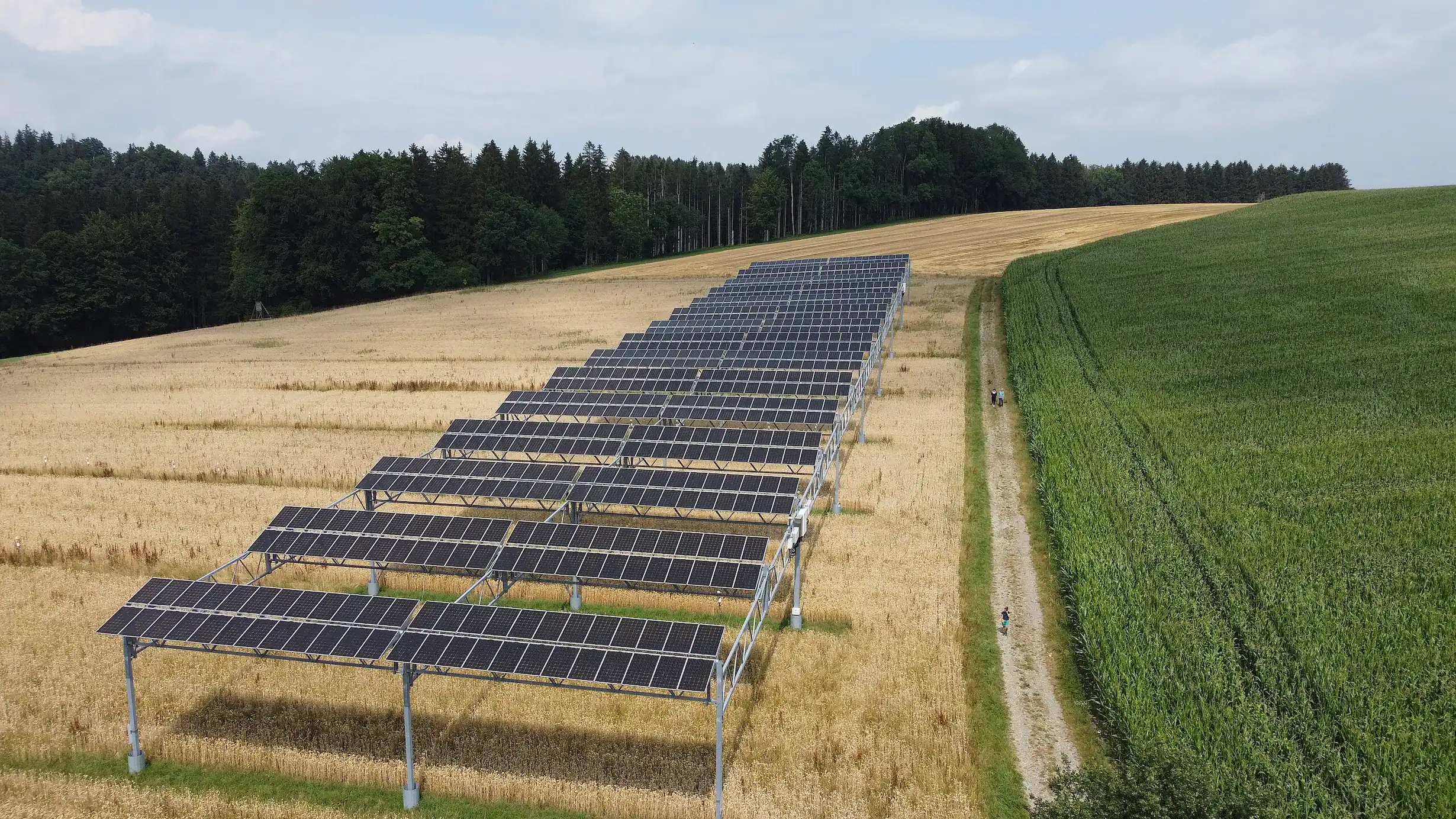
Automated and extended bird monitoring on agricultural land in North Rhine-Westphalia to support the planning and permitting of an Agri-PV project through extended baseline data collection
Our impact:
- Identification and mapping of bird species across the project area
- Enabled an extended bird mapping period
- Supported flexible planning with cost efficient monitoring
DKB x Hula Earth
Outcome-based compensation for biodiversity gains
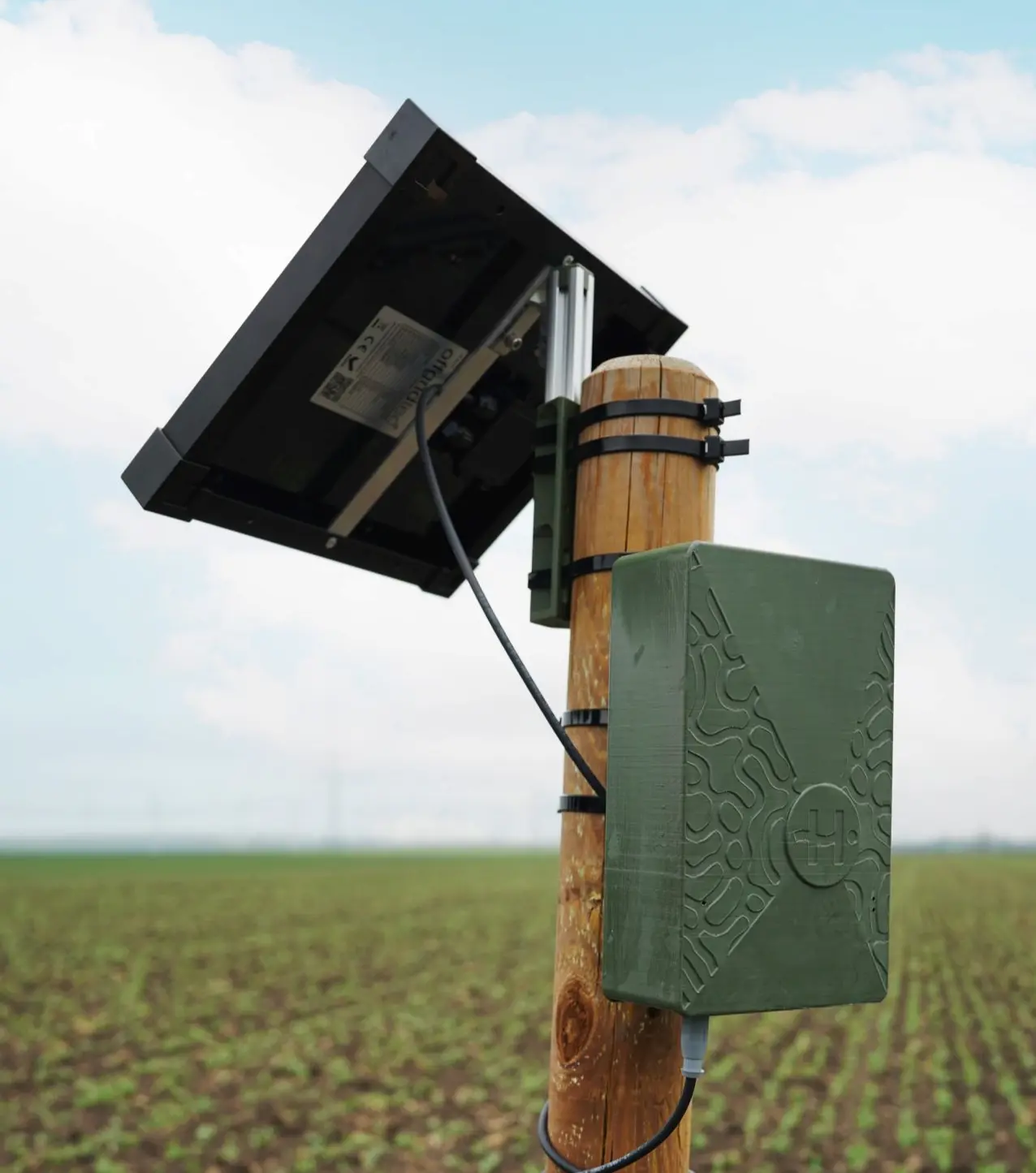
Automated environmental monitoring across multiple sites in Germany to link measurable environmental gains to financing.
Our impact:
- Detecting landscape change and habitat degradation
- Turning biodiversity gains into financial value for farmers
- Tracking effectiveness of measures through species richness

Planet Wild x Hula Earth
Preserving Europe’s last primary forest
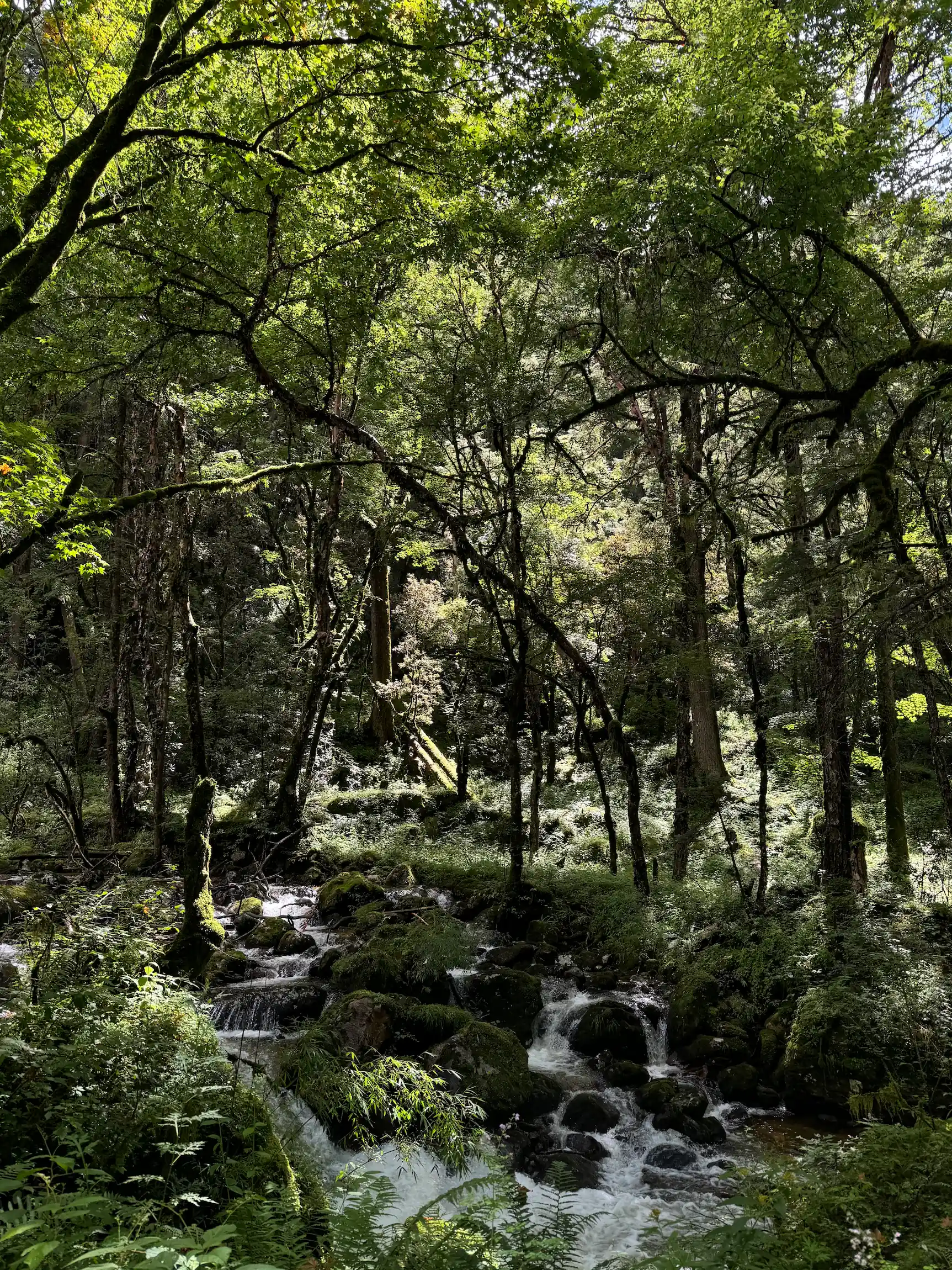
Biodiversity monitoring and real-time chainsaw recognition to protect 300 hectares of endangered primary forest in Romania from illegal logging and biodiversity loss.
Our impact:
- Scalable and automated biodiversity monitoring
- Real-time detection for illegal logging
- Unlocking EU funding by demonstrating conservation effectiveness


Wilderness International x Hula Earth
Satellite-based forest monitoring across global biodiversity hotspots
Continuous environmental monitoring across Canada and Amazonia using satellite data to track forest change, deforestation risk and other environmental indicators from 2020 to the present.
Our impact:
- Standardised monitoring of existing and new conservation sites
- Forest change, connectivity, biomass, and risk insights
- Evidence-based conservation planning with fire detection
Industries
Other industries
Hula Earth empowers industries from solar farms and agriculture to conservation projects and biodiversity credits.
Making agriculture future-proof
Hula for agriculture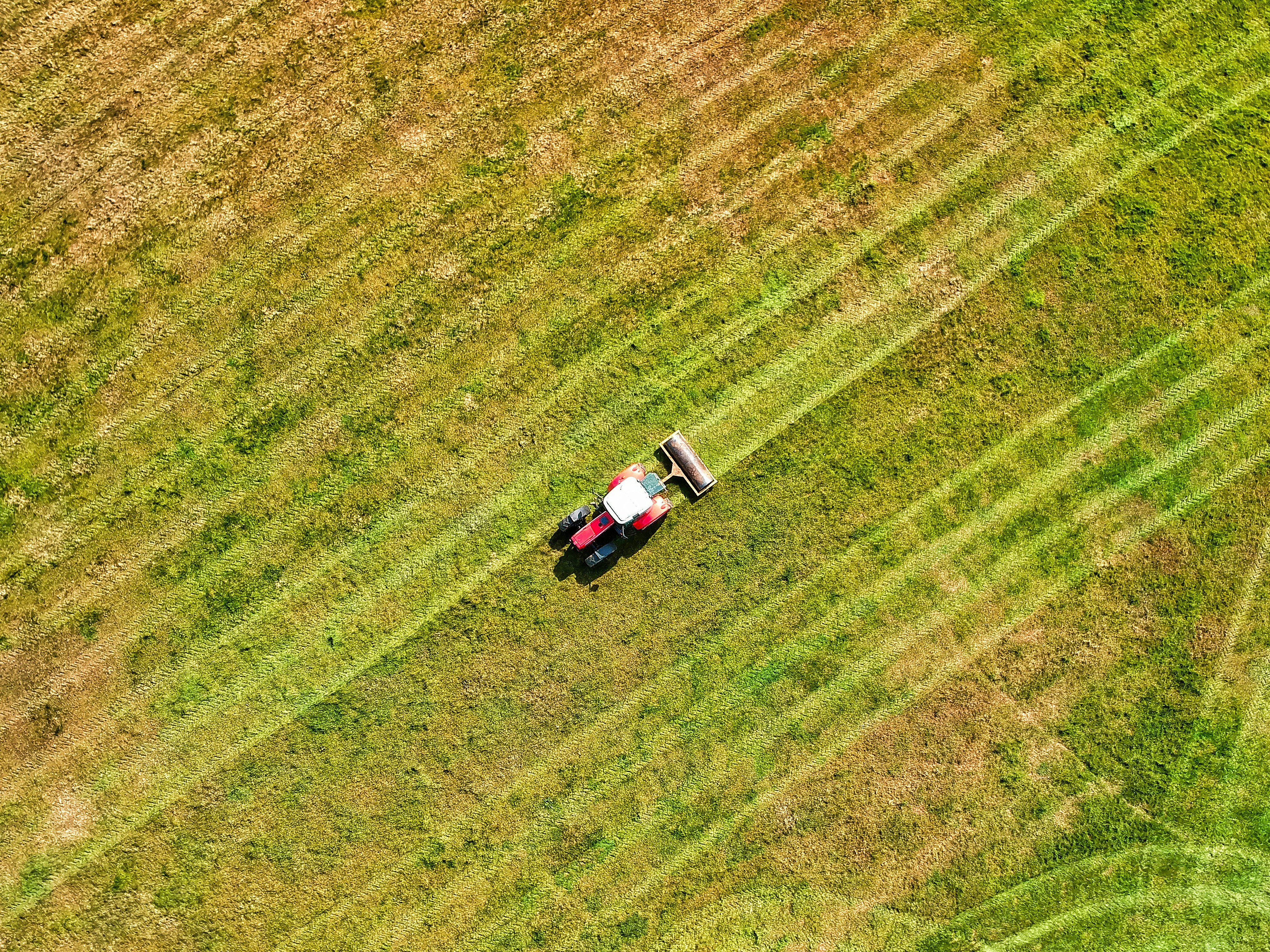
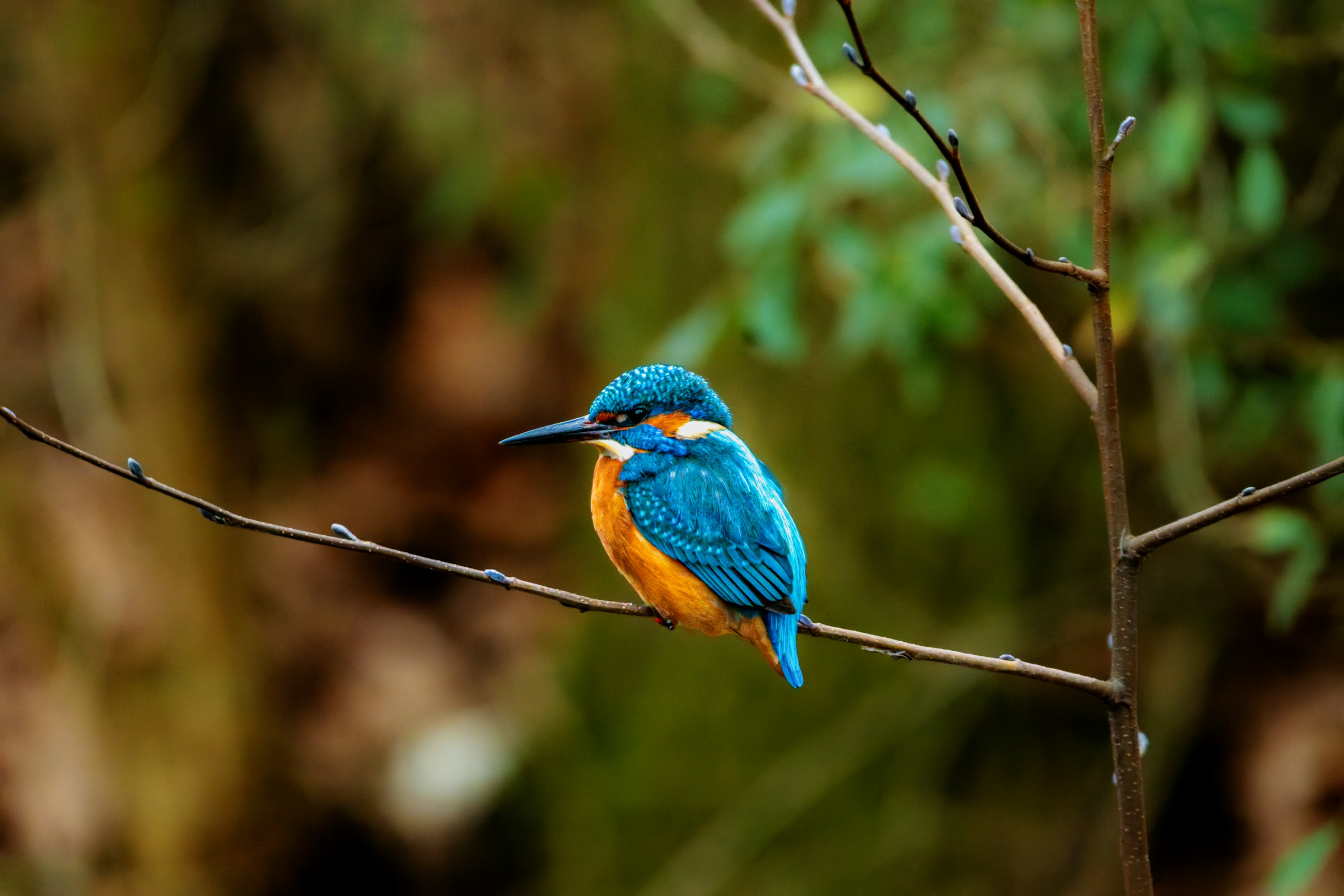
Incentivizing outcome-based nature protection
Hula for nature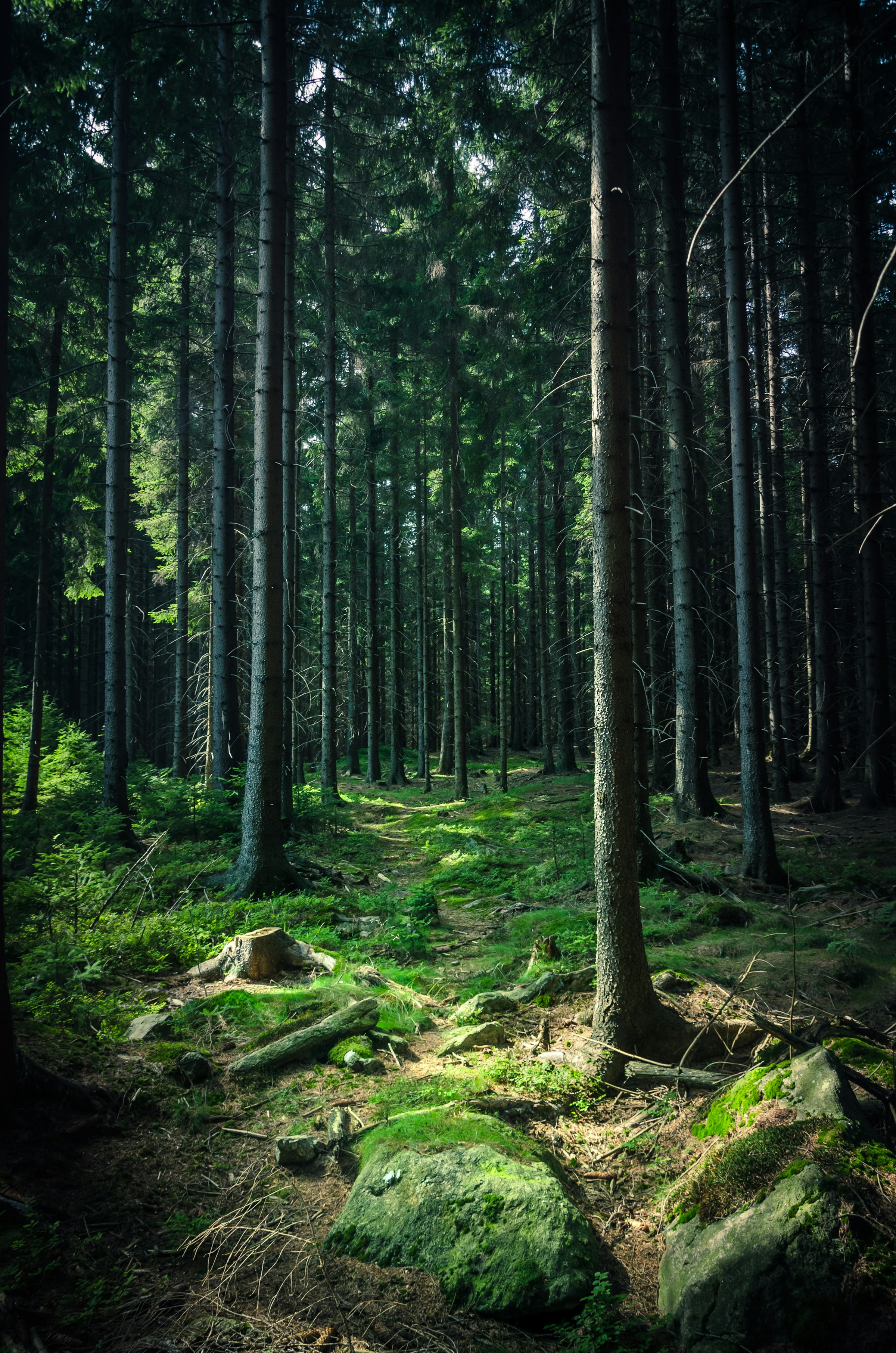
Ready for the next step?
Contact usWe use cookies!
We use cookies to improve your experience.
By clicking "Accept", you agree to the use of cookies.
Customize